Preventing Skin Cancer: Essential Steps for Everyone
Skin cancer is one of the most common forms of cancer worldwide, affecting millions of people each year. With the increasing exposure to harmful UV rays from the sun and artificial sources, it is crucial to take proactive steps to protect our skin. This blog post will explore essential strategies for preventing skin cancer, providing you with practical tips and insights to safeguard your skin health.

Understanding Skin Cancer
Before diving into prevention strategies, it’s important to understand what skin cancer is and the different types that exist. Skin cancer primarily develops in the outer layer of the skin, known as the epidermis. The three main types of skin cancer include:
Basal Cell Carcinoma (BCC): The most common type, often appearing as a small, shiny bump or a sore that doesn’t heal.
Squamous Cell Carcinoma (SCC): This type may appear as a firm, red nodule or a flat lesion with a scaly crust.
Melanoma: The most dangerous form, characterized by the appearance of a new mole or a change in an existing mole.
Risk Factors
Several factors can increase the risk of developing skin cancer, including:
UV Exposure: Prolonged exposure to ultraviolet rays from the sun or tanning beds.
Skin Type: Fair-skinned individuals with light hair and eyes are at a higher risk.
Family History: A family history of skin cancer can increase your risk.
Age: The risk increases with age, particularly for melanoma.
Essential Steps for Prevention
1. Use Sunscreen Daily
One of the most effective ways to prevent skin cancer is by using sunscreen every day, regardless of the weather. Here are some tips for choosing and applying sunscreen:
Broad-Spectrum Protection: Select a sunscreen that offers broad-spectrum protection against both UVA and UVB rays.
SPF 30 or Higher: Use a sunscreen with an SPF of at least 30 for adequate protection.
Apply Generously: Use about an ounce (a shot glass full) to cover your entire body. Don’t forget areas like your ears, neck, and the tops of your feet.
Reapply Regularly: Reapply every two hours, or more often if swimming or sweating.
2. Seek Shade
Limiting direct sun exposure is another key strategy. Here’s how to effectively seek shade:
Avoid Peak Hours: The sun’s rays are strongest between 10 a.m. and 4 p.m. Try to stay indoors during these hours.
Use Umbrellas or Canopies: When outdoors, use umbrellas or canopies to create shade.
Wear Protective Clothing: Long-sleeved shirts, wide-brimmed hats, and UV-blocking sunglasses can provide additional protection.
3. Regular Skin Checks
Performing regular skin checks can help detect any changes early. Here’s how to do it:
Self-Examinations: Check your skin monthly for any new moles or changes to existing moles. Look for asymmetry, irregular borders, multiple colors, or changes in size.
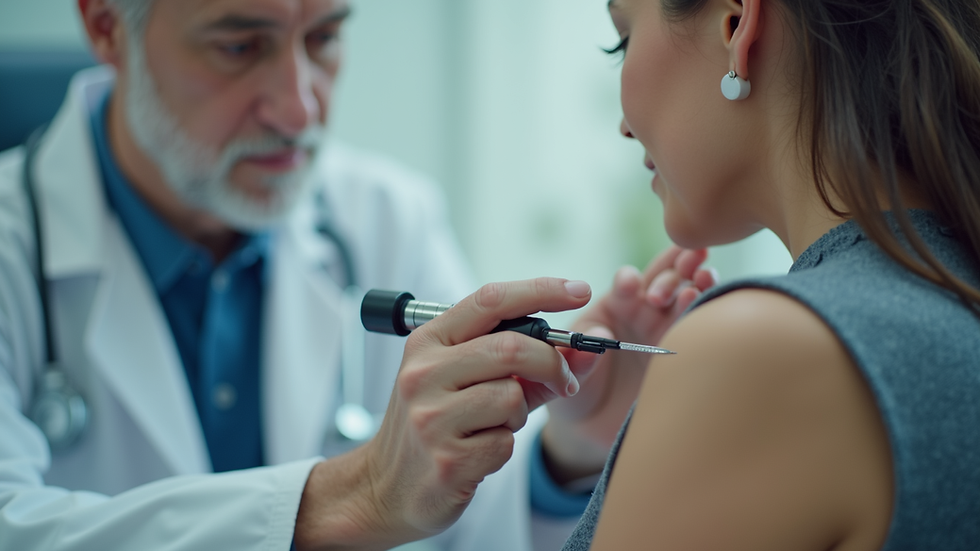
Professional Skin Exams: Schedule annual skin exams with a dermatologist, especially if you have a higher risk of skin cancer.
4. Avoid Tanning Beds
Tanning beds emit UV radiation that can increase the risk of skin cancer. Here are some reasons to avoid them:
Increased Risk: Using tanning beds before the age of 35 increases the risk of melanoma by 75%.
Skin Damage: Tanning beds can cause premature aging and skin damage, leading to a higher likelihood of skin cancer.
5. Maintain a Healthy Diet
A balanced diet can support skin health and potentially reduce cancer risk. Consider these dietary tips:
Antioxidant-Rich Foods: Incorporate fruits and vegetables high in antioxidants, such as berries, spinach, and carrots.
Healthy Fats: Include sources of omega-3 fatty acids, like salmon and walnuts, which can help maintain skin health.
Stay Hydrated: Drink plenty of water to keep your skin hydrated and healthy.
Understanding the Importance of Early Detection
Early detection of skin cancer significantly increases the chances of successful treatment. Here are some key points to remember:
Know the Signs: Familiarize yourself with the ABCDEs of melanoma:
- Asymmetry: One half of the mole doesn’t match the other.
- Border: Edges are irregular, ragged, or blurred.
- Color: The color is not uniform and may include shades of brown, black, or tan.
- Diameter: The mole is larger than 6mm (about the size of a pencil eraser).
- Evolving: The mole is changing in size, shape, or color.
Act Quickly: If you notice any changes, consult a healthcare professional immediately.
Conclusion
Preventing skin cancer requires a proactive approach that includes daily sunscreen use, seeking shade, regular skin checks, avoiding tanning beds, and maintaining a healthy diet. By adopting these essential steps, you can significantly reduce your risk of developing skin cancer and promote overall skin health. Remember, your skin is your body’s largest organ, and taking care of it is vital for your well-being. Start implementing these strategies today and encourage your loved ones to do the same. Together, we can work towards a future with lower skin cancer rates and healthier skin for everyone.

Comments